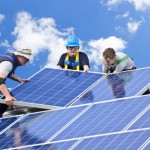
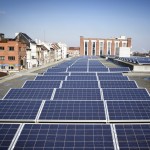
 Numerous households on the outskirts of Ottawa have been receiving flyers from 3G Energy Corp., a three-person outfit interested in rural homes with high sun exposure. The goal of this guerrilla marketing is to entice farmers and residences in rural Ottawa to embrace photovoltaic (PV) installations at a time when much of the focus has been on urban applications.
Under 3G Energy’s business model, homeowners and farmers can choose from two separate options. In the first plan, they can buy a solar energy system (less than 10kw) for $90,000 and begin receiving monthly payments for any electricity sold back into the grid. Co-founder, Graham Findlay, asserts that these monthly checks could very well exceed $1,000, suggesting that the payback period would be under eight years.
Under the second plan, homeowners can lease their land to 3G Energy for the next 20 years, with an option to purchase the system after four years (at a higher price). During the lease agreement, 3G Energy pays the homeowner directly for the use of his or her land as it collects its own monthly payments from electricity sold back into the grid. The obvious appeal of this option is that famers and homeowners face fewer risks, although they potentially miss out on four years ($48K) of profit from the installation.
Under either arrangement, the solar energy system is expected to last a minimum of 40 years, during which it can produce enough clean electricity to power four homes. Findlay adds that “a person buying one of these devices is making an investment” - an investment largely immune to the “whims of stock and bond speculators.”
The Need for Solar Classes Increases in Ontario
Business models like 3G Energy’s are becoming more commonplace as the Ontario Power Authority’s microFIT program gathers momentum. As a result of these governmental incentives, solar projects are flourishing across the province, prompting power producers, installers, and manufacturers to explore creative ways of monetizing free and clean energy.
This renewed interest in “renewable” energy is also helping to drive greater demand for advanced PV installation training, engineering skills, manufacturing savvy, and the administrative support necessary to bolster provincial sustainability efforts. In fact, the demand is so strong across all sectors that according to a study from Queen’s University, provincial and federal government agencies could invest $2.4 billion to build a large-scale photovoltaic plant, give this facility away to the public for free, and still earn a profit over the long run.