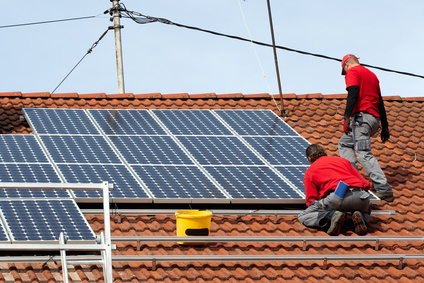
Recent developments in Ontario could prove exceptionally beneficial to green-minded businessmen, environmentally conscious homeowners, and power utility companies. In particular, the Ontario Power Authority (OPA) has recently approved several hundreds of projects involving green energy. This move represents a particularly exciting opportunity for businesses involved in solar panel installation, since the majority of approved projects involve clean energy from the sun.
Rising Interest in Renewable Energy
According to the OPA, 510 projects were approved, covering 120 communities. Service providers involved in solar power installation, such as Ottawa Solar Power (OSP), are already lauding this news as a “huge bonus,” indicative of a rise in interest in renewable energy. True enough, the undertaking is quite significant, as the total capacity for all approved projects is expected to reach 112 Megawatts - enough to provide electricity to thousands of homes in the region.
New Opportunities for Solar Panel Installation
Apart from the upsurge in renewable energy interest, this set of projects is also expected to give rise to new possibilities, particularly in terms of employment and business opportunities. Locals can expect to participate in these projects as service providers and contractors, assuming they receive adequate training and certification. Ontario law, after all, requires that local technology and labour be used in at least 50% of new solar developments in the future. And thanks to Ontario’s aggressive feed-in-tariff initiative, homeowners can potentially earn money from power they feed into the grid from solar panels set up on their property. With incentives like these, it is little wonder why so many are exploring solar energy classes and DIY solar panel installation kits.
Solar Panel Installation: Utility Power Decentralization
The OPA’s approval of the project introduces the possibility of radical decentralization in which consumers of electricity also become major contributors, thus, raising their stakeholding membership. Solar panel installation on homes, offices, and business facilities alike not only empowers the individual and commercial owners of these system,s but it also lightens the load for utility companies as they become better equipped to handle major fluctuations in demand.
However, this shift cannot happen overnight. Currently, there simply are not enough qualified installers to help complete this transition. Solar power training is still a significant bottleneck, as are parts, licenses, and other regulatory roadblocks. Until costing becomes more transparent and solar energy classes become more mainstream, Ontario’s solar revolution will remain a steady (but growing) trickle of development.