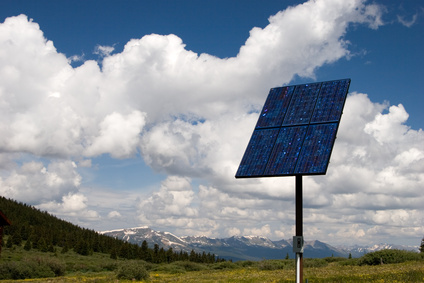
 Since launching the microFIT program last October, the Ontario Power Authority (OPA) has received more than 16,000 applications for the highly popular renewable energy incentive. Due to this demand, the OPA is proposing a new pricing category of 58.8 cents/kWh for ground-mounted systems that “enables future project owners to recover costs of the projects as well as earn a reasonable return on their investment over the long term.” The OPA believes the new price category is “fair, reasonable and more accurately reflects the costs associated with ground-mounted projects and maintains the long term stability of the program.”
What Is the MicroFIT Program?
The microFIT program is a “streamlined program for very small renewable energy projects [<10kw] under the umbrella of the Feed-in Tariff (FIT) Program.” It “helps Ontario meet its Green Energy and Green Economy Act targets by providing a standard pricing regime and simplified eligibility, contracting and other rules for small renewable electricity generating projects.” The customer receives compensation for any electricity produced while paying the regulated price for electricity used.
What Will This Mean For the Future of the MicroFIT Program?
Obviously a reduction from 80.2 cents to 58.8 cents/kWH is a sharp decrease. However when you compare it to other countries’ feed in-tariff plans, Ontario would still rank extremely high in overall rate of return. This may be of little consolation to the scores of applicants who have already submitted proposals hoping to receive the original rate. In fact, the backlash has been substantial, with Ontario Solar Network recently hosting an extremely “lively” town hall in which stakeholders throughout the province’s solar industry voiced strong opposition to the changes.
However, even with this mounting criticism, the OPA believes that the program will continue to survive. In fact, one of the key reasons for the change was to ensure that the microFIT fund remained solvent in light of the overwhelming interest the program has received over the past ten months. Already, Germany - an FIT mecca in its own right - has had to scale back its incentives in order to keep its program afloat.