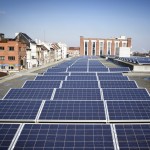
As demand for renewable energy grows rapidly across Canada, so does the shortage of available, qualified workers, according to several agencies that monitor the Canadian energy sector. In addition to construction delays, the shortage is expected make solar and wind projects more expensive over the next several years, especially if large proportions of the workforce retire and training for replacements lags behind.
With its feed-in-tariff (FIT) program fuelling considerable interest in solar power, Ontario is expected to be particularly vulnerable to the growing labour shortage. Within the next three years, as many as 50,000 new green jobs could emerge from the province. Meanwhile, available electricians, electrical contractors, and developers who have completed the solar and wind technology classes necessary to fill these jobs will be increasingly difficult to find.
Energy Sector Retirements Outpace Solar and Wind Training Programs
According to the Electricity Sector Council, 74% of Canada’s current electrical industry workforce is over 40, and 40% of energy workers plan to retire within the next ten years. In addition, 30% of current electricity companies lack plans to deal with this massive attrition. At the same time as the established workforce retires en masse, many college programs require a commitment of several years to provide new workers in the solar and wind sectors with the training needed for the growing green economy.
37 out of 91 Canadian solar power companies polled in a 2009 survey specified that they were already experiencing labour shortages, particularly in installation. The same companies expected their staffing requirements to double by 2011.
Labour Shortage Likely to Impede Growth of Green Economy
The shortage of solar and wind technology specialists trained through professional classes and programs will have industry-wide effects, according to Om Malik, President of the Institute of Electrical and Electronics Engineers (IEEE). Malik predicts the worker shortage “will slow down the growth of [renewable] power.” In this respect, the green economy can learn from the oil industry, Malik asserts. “It’s exactly what happened two, three years back, in Alberta, in the oil sands. There was such a shortage of people.” Malik notes that the labour shortage in the oil sands during its boom years delayed construction in some instances and led to project cancellations in others.
A report by the U.S. - Canada Clean Energy Dialogue supports Malik’s contention. “Within five years,” the report states, “the electricity sectors in Canada and the U.S. will suffer from a severe shortage of skilled workers.” The Canadian wind and solar industries’ dearth of expert workers, prepared through specialized classes to respond to growing demand, will, according to the report, “threaten to compromise North America’s ability to capitalize on clean energy.”
David Gower, Associate Director of Ontario Solar Academy, adds, “Consumer demand and manufacturing capacity are at record highs, even with the Ontario Power Authority’s proposed changes to the microFIT rates.” He adds, “The biggest challenges to continued growth is manpower - getting people in the field and on roofs to actually install the solar technology.”