 This October, Habitat for Humanity (HFH) and its local affiliates, including Habitat for Humanity Toronto (HFHT), embraced a new “waste not want not” creed during Waste Reduction Week - a slogan that fits well within the organization’s sustainable business model. HFH is renown worldwide for building affordable homes for families in need, while the lesser known but equally diligent, HFHT, provides decent, affordable housing for Toronto’s low-income families in an effort to support safer, healthier communities.
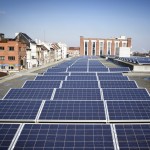
HFHT is currently completing construction on Canada’s first solar photovoltaic technology habitat condominium, and it will use its Toronto Restores retail chain to salvage and recycle over 1,600 metric tons of materials a year. This organizational push for sustainable energy contributes directly to Ontario’s emergent green economy through the creation of new opportunities such as “up-cycling” of building materials, green job creation, solar energy course, and installation training accreditation.
2010 Grant for Photovoltaic Technology Research
HFHT received a 2010 grant for $14,950 from the city’s Toronto Atmospheric Fund to conduct a feasibility study around integrating solar photovoltaic technology options for low-income housing. HFHT’s CEO, Neil Hetherington, states, “As an affordable homebuilder, it’s our responsibility to build more energy efficient and ‘greener’ homes for hardworking Toronto families.” HFHT is constructing 49 GreenHouse certified homes that will be 25-30% more energy efficient than standard Ontario homes. Low-income households will save a large portion of the estimated 17% of their income used to pay for monthly energy bills.
Non-Profit Push for Photovoltaic Technology Is Good for Green Economy
HFHT partners on its projects with various foundations and home sponsoring companies, including the Home Depot Canada Foundation, Great West Life, HOK, and McDonnell Haynes Advertising + Design. Together, they have invested millions of dollars in Ontario’s green industry, effectively creating a stronger provincial job market and opening up the industry to new solar energy courses and installation training.
This interest in renewable and sustainable energy extends beyond non-profits and their partners to include many global investors that were attracted to the province by the Ontario Power Authority’s (OPA) Feed-in-Tariff (FIT) program. The FIT provides manufacturers of solar photovoltaic and wind technology energy a guaranteed rate for the energy they produce and sell to the local power grid, for the duration of their 20-year contract with the OPA.